

Review · KIGALI
Kigali: Traditional Coffee Experience ( Bean to Brew)
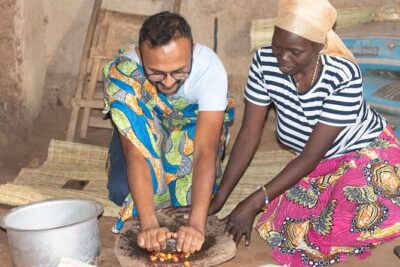
Kigali’s bean-to-brew coffee session is far more hands-on than a standard tasting. You may open the coffee fruit, roast the beans over traditional and modern methods, pound them, and finally drink the coffee you helped make. Drums, local crafts, music, and even a game of Igisoro can add to the visit.
I like the way the activity connects coffee with community life, rather than treating the drink as an isolated product. I also like the clear local benefit: Umurishyo Arts Gallery helps support an NGO, children returning to school, and artisans who make the crafts sold at the center. The main consideration is that the setting may be an urban cultural center rather than a full plantation visit, so confirm the farming portion if walking through coffee fields is essential to you.
Key points to know before you book

- You make the coffee yourself: Expect hands-on work from opening the fruit through roasting, pounding, and brewing.
- The meeting point is Umurishyo Arts Gallery: This is a cultural center in Kigali, not simply a coffee shop.
- The final cup can include ginger: Tasting may cover black coffee and a ginger preparation.
- The guide can shape the visit: English, French, and Swahili are offered, with guides including Deborah, Gilbert, John, and Chaplan.
- The cultural program goes beyond coffee: You may see drums, dances, crafts, traditional life demonstrations, or the Rwandan game Igisoro.
- Allow two and a half to three hours: The listed duration is 150 minutes to three hours, depending on the session and added conversation.
From coffee fruit to your first cup

The appeal here is simple: you do not just hear how coffee is made. You take part in the work.
At the start, a guide explains Rwanda’s coffee story and the way local farmers cultivate and process the crop. The activity is described as a field-to-cup experience, with coffee fields included in the overall plan. At the same time, the meeting point is Umurishyo Arts Gallery, and the actual setting described by several participants is a city cultural center.
That difference matters. If you picture a long visit to a rural plantation, this may not be the right fit on its own. The coffee portion can be presented through the center and its demonstrations, with the field element varying by arrangement. If a farm visit is your main reason for booking, ask for confirmation before paying.
What you gain instead is a more varied Kigali experience. You can learn about coffee while also seeing how the crop connects with local enterprise, art, music, and community work. I find that useful because coffee in Rwanda is not just a morning drink. It is also a source of income and a way to introduce visitors to local skills.
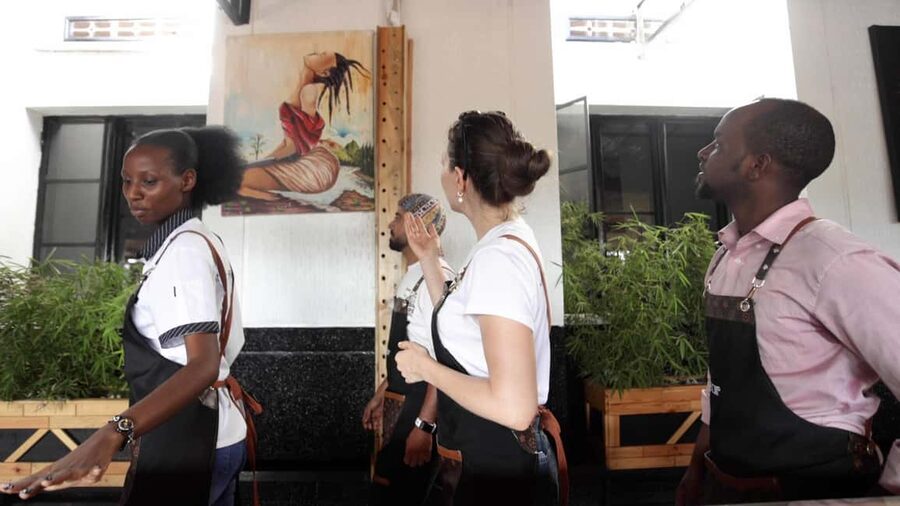
The guides explain each stage at a patient pace. Deborah has led the activity, while Gilbert, John, and Chaplan have also guided sessions. The person leading your visit may differ, but the language choices are English, French, and Swahili.
More Specialty Coffee Tours in the world:
- Cartagena: Colombian Specialty Coffee Tasting
★ 4.4 · 130 reviews - Coffee Farm Tour with Roasting & Tasting Workshop – Da Lat
★ 5.0 · 126 reviews - Private Coffee Roasting Class
★ 5.0 · 101 reviews
Opening the fruit and preparing the beans
One of the most memorable parts is the first practical step: handling the coffee fruit before it becomes a roasted bean.
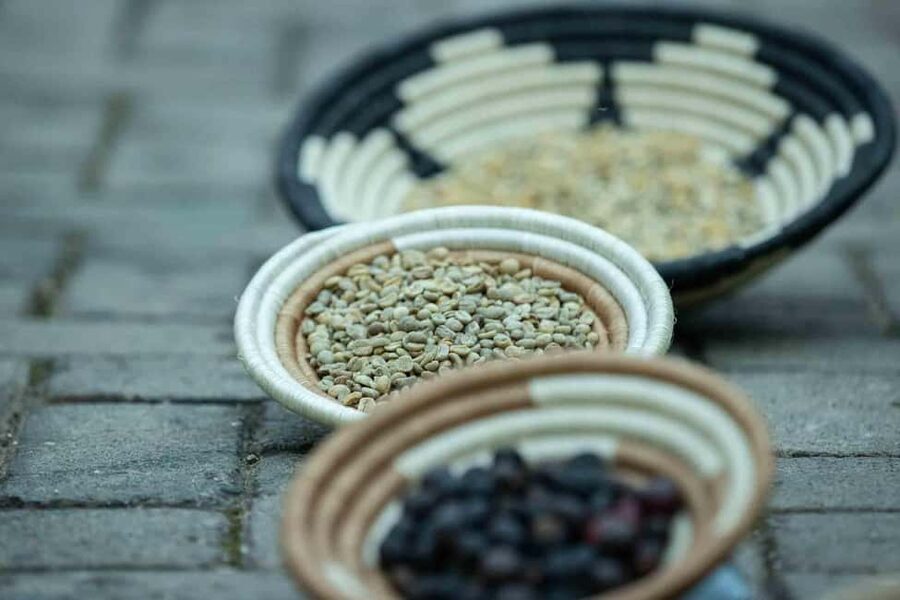
The traditional process can include opening the fruit, removing the beans, and preparing them for roasting. This is not a polished demonstration where you sit back and watch someone else work. You are encouraged to roll up your sleeves and take part.
The work gives you a better sense of how much effort sits behind a simple cup. At home, coffee arrives ground, measured, and ready for hot water. Here, you see the stages in sequence and handle the ingredients yourself.
This part may be especially good for families with older children, curious cooks, and anyone who enjoys craft-based activities. People with food allergies should not book, since coffee tasting and handling are central to the experience.
The pace is one of the activity’s strengths. Guides take time to explain what you are doing and answer questions. You are not expected to arrive with coffee knowledge, and the process is suitable for beginners.
Traditional roasting beside modern methods
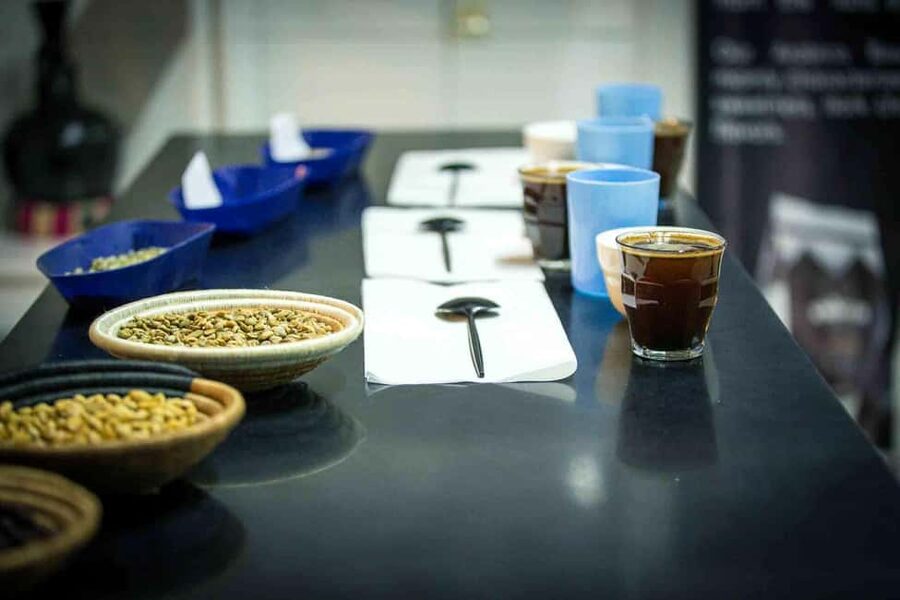
The roasting session gives the activity its strongest practical lesson. You compare a traditional method with a modern approach and see how heat changes the beans.
The traditional work is physical. You may roast the beans, pound them, and help prepare them for brewing. That pounding step gives the session a clear connection to older household methods. It also makes the process feel less like a technical lecture and more like a shared activity.
The modern method provides a useful contrast. You can see how the same basic goal is handled with different equipment and techniques. The guide explains the effect of each method, helping you connect the smell, color, and taste of the roasted beans.
I like this comparison because it gives you something to notice during the final tasting. The cup is not simply presented as good or bad. You have seen how the beans were treated, so you can think about what the roasting method contributes.
Do not expect a professional barista course. The focus is traditional coffee culture, local explanation, and participation. You will not leave with a formal qualification, but you will understand the basic journey from fruit to drink far better than you would after a café stop.
Coffee with ginger, conversation, and a local welcome
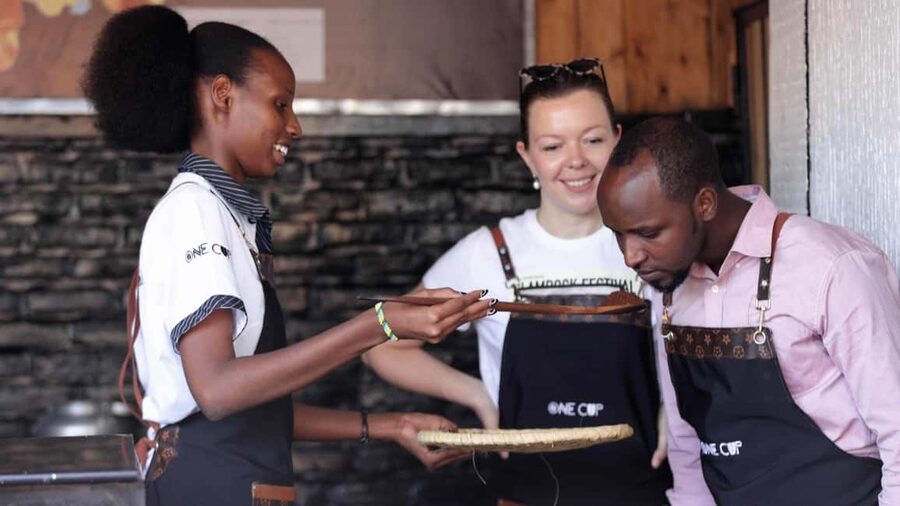
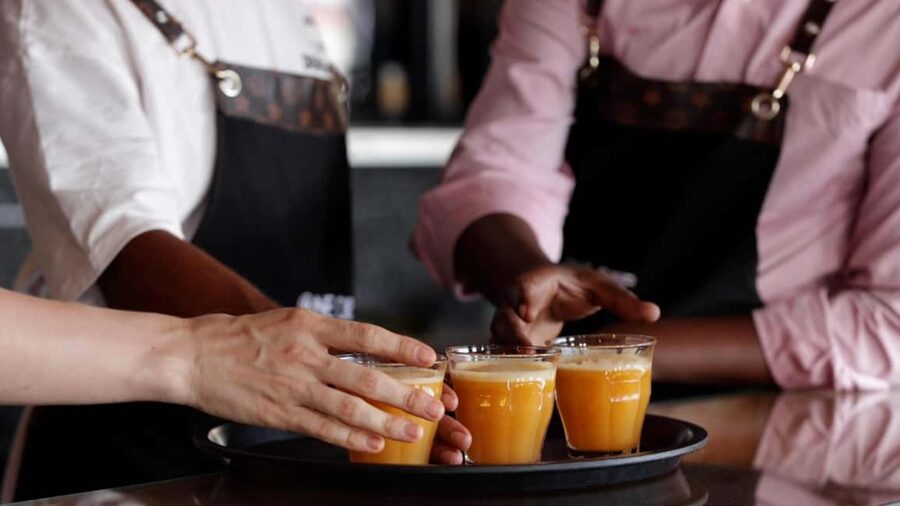
The session ends with the part many people anticipate most: drinking the coffee you helped prepare.
You may taste it black and also try a version made with ginger. The ginger preparation adds a clear local touch and gives you a second way to judge the coffee. If you normally add milk or sugar, this is a good chance to try the drink closer to the way it is served during the activity.
The tasting takes place in a Kigali coffee setting connected with the cultural center. It is a relaxed finish, with time to speak with the guide and the people running the center. This conversation is an important part of the value. You can ask about the coffee process, local customs, or the work supported by the center.
The atmosphere is friendly rather than formal. A welcoming drum performance may begin the visit, and the center can also include traditional music, dances, and crafts. One guide, Chaplan, has also shown participants around Kimironko Market, though you should not assume that market visit is included in every booking.
You might receive a certificate at the end. That is a small touch, but it gives the activity a pleasant sense of completion, especially if you are taking part as a couple, family, or small group.
More Coffee Tours in the world:
- Hanoi Coffee Experience: 6 Brews, 9 Recipes & 3 Liquor Tastings
★ 5.0 · 2,945 reviews - Medellin: Coffee Tour with Transport, Snacks and Tastings
★ 4.7 · 1,357 reviews - Istanbul: Turkish Coffee Making and Fortune Telling Workshop
★ 4.9 · 1,308 reviews - Hanoi Coffee Workshop: Taste Salt, Coconut and Egg Coffee
★ 5.0 · 1,286 reviews
Umurishyo Arts Gallery adds a wider Kigali story
The gallery is more than a meeting point. It gives the coffee activity a social and cultural setting.
The center was opened by a couple to help fund their NGO. Money earned through the center supports efforts to help children leave the streets and return to school. Crafts sold there are made by those children, giving the shop a direct connection to the work.
That does not mean every dollar of the $50 price can be assigned to one specific project. Still, the activity offers a clearer local connection than a generic coffee tasting in a hotel. You are paying for instruction, ingredients, staff time, and a cultural program, while also supporting a small Kigali enterprise.
The center may offer other activities beyond coffee. You might learn about traditional ways of life, try Igisoro, or join an informal football game if time and interest allow. These additions are not the core promise, so treat them as possible extras rather than guaranteed itinerary stops.
This wider setting suits you if you want a cultural introduction during your first days in Kigali. It may be less suitable if you want a quiet, highly polished coffee laboratory with a fixed tasting menu.
How long the session takes and what the $50 buys
The price is $50 per person, and the stated duration is 150 minutes to three hours. That is a fair value if you take part in the full process and stay for the cultural conversation.
You are paying for more than a cup of coffee. The session includes the guided coffee activity, traditional and modern roasting, a tasting of local blends, cultural explanation, and support for the center. The hands-on format also takes more time than a normal café visit.
The value depends on what you want from the day. If you only want to drink excellent coffee, $50 may feel high. Kigali has less expensive ways to buy a cup. If you want to understand how coffee is handled, meet local guides, and link the drink with art and community work, the price makes more sense.
The flexible timing is useful. A 150-minute session can fit into a morning or afternoon, while the longer version gives more room for conversation and cultural activities. I would keep part of your schedule open rather than placing a tight appointment immediately afterward.
Transportation to the meeting point is not included, so you need to arrange your own way to Umurishyo Arts Gallery. Personal expenses are also extra. The booking offers free cancellation up to 24 hours in advance and a reserve-now, pay-later option, which helps if your Kigali plans are still shifting.
Who will enjoy this most
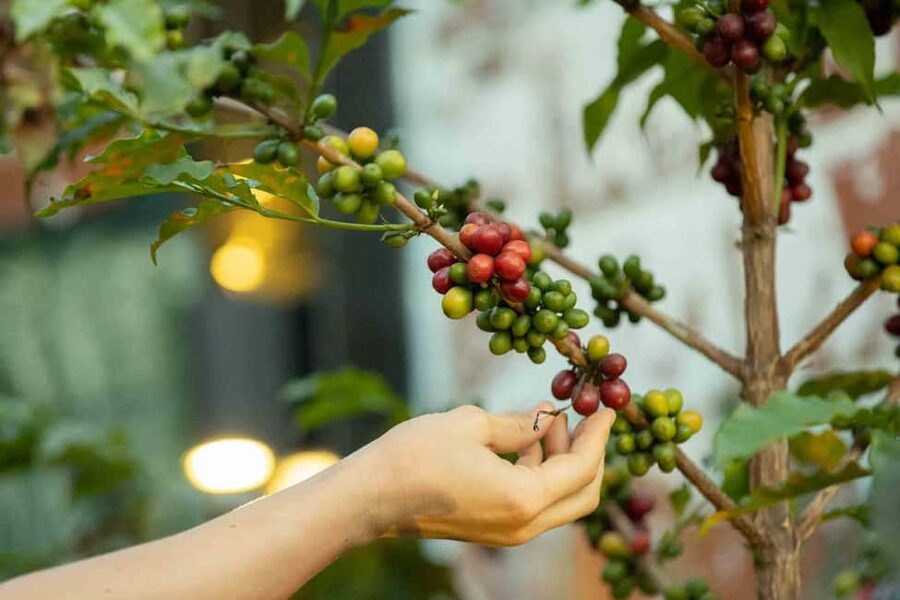
I would recommend this for coffee lovers, curious first-time visitors to Rwanda, and anyone who prefers making something over simply photographing it.
It is also a strong choice if you want a small cultural activity in Kigali without committing to a full-day excursion. The languages make it accessible to many international visitors, and the guides are used to explaining each step patiently.
You will get the most from it if you participate fully. Do not stand back while the guide does the work. Open the fruit, handle the beans, try the roasting, and help with the pounding. The process is the point.
The activity may suit families, but the provided information does not specify a minimum age or child policy. Ask before booking if you are traveling with young children. The same advice applies to anyone with food allergies, since the activity is specifically listed as unsuitable for people with allergies.
You may want a different experience if your priority is a guaranteed visit to a large working coffee plantation. The urban cultural-center setting is part of the charm, but it is also the main limitation for anyone expecting a rural farm tour.
Practical tips for a better visit
Wear something comfortable that you do not mind using during a hands-on activity. The coffee work includes roasting and pounding, so practical clothing is wiser than an outfit chosen only for photographs.
Arrive ready to ask questions. The guides can explain the coffee process, but the conversation can also lead into music, traditional life, crafts, and community projects. You will learn more if you treat it as a cultural exchange rather than a quick tasting.
If you care about the farming portion, confirm the plan before arrival. The activity description refers to coffee fields, while several detailed accounts place the main experience at Umurishyo Cultural Centre in the city. One account describes picking fresh beans, while another specifically notes that there was no drive to a coffee plantation. The safest approach is to ask what your booked session includes.
Leave time to browse the crafts at the center. These items connect with the organization’s work and give you a chance to support it directly through a purchase, though buying anything is not required.
Should you book the Kigali coffee experience?
I would book it if you want an active, personal introduction to Rwandan coffee and local culture. The strongest parts are the step-by-step preparation, the chance to taste black and ginger coffee, and the warm setting at Umurishyo Arts Gallery.
The $50 price is easiest to justify when you use the full session and take part in the cultural activities around it. You are not buying only a beverage. You are paying for instruction, time with local guides, a traditional process, and support for a Kigali community center.
I would pause before booking only if you require a guaranteed plantation visit or have food allergies. Otherwise, this is a practical choice for a morning or afternoon in Kigali, especially if you like experiences that leave you with a better understanding of what you are drinking.
FAQ
Where does the coffee experience meet?
The meeting point is Umurishyo Arts Gallery in Kigali Province, Rwanda.
How long does the activity last?
The stated duration is between 150 minutes and three hours. Starting times depend on availability.
What languages are available?
Guides may lead the activity in English, French, or Swahili.
Is transportation included?
No. Transportation to the meeting point is not included, and you must arrange your own transport.
What coffee-making steps can I take part in?
The activity can include opening the coffee fruit, roasting the beans using traditional and modern methods, pounding the coffee, and preparing the final brew.
What can I taste?
The tasting features local coffee blends. The session may include black coffee and coffee prepared with ginger.
Can I cancel the booking?
Yes. You can cancel up to 24 hours in advance for a full refund. A reserve-now, pay-later option is also available.
Freshly brewed listings in the world
- Vietnamese Coffee 101 Workshop★ 5.0 · 11 reviews
- Vietnamese Coffee Making Class in Hoi An★ 5.0 · 4 reviews
- Vancouver: Street Art & Craft Coffee Walking Tour w/ Tasting★ 4.8 · 11 reviews
- Yerevan: Private Coffee Tour with 2 Café Stops★ 5.0 · 2 reviews
- Ubud: Waterfall, Holy Water Temple,Swing&coffee plantation★ 5.0 · 9 reviews
- Coffee pleasure walking tour★ 5.0 · 12 reviews
- Vienna: Guided Viennese Coffee-House Tour★ 5.0 · 2 reviews
- Turkish Coffee and Traditional Turkish Dessert Cooking★ 4.6 · 8 reviews
Kigali Coffee Tours, compared.
Local Community Tour(Cultural, Coffee,Village walk,Local food)
Read our review →
Kigali: Traditional Coffee Experience ( Bean to Brew)
Read our review →
1-Day Lake Kivu Karongi Boat Cruise & Coffee farming with Lunch
Read our review →Browse the lists this tour appears in