
Review · ISTANBUL
Turkish Coffee and Traditional Turkish Dessert Cooking
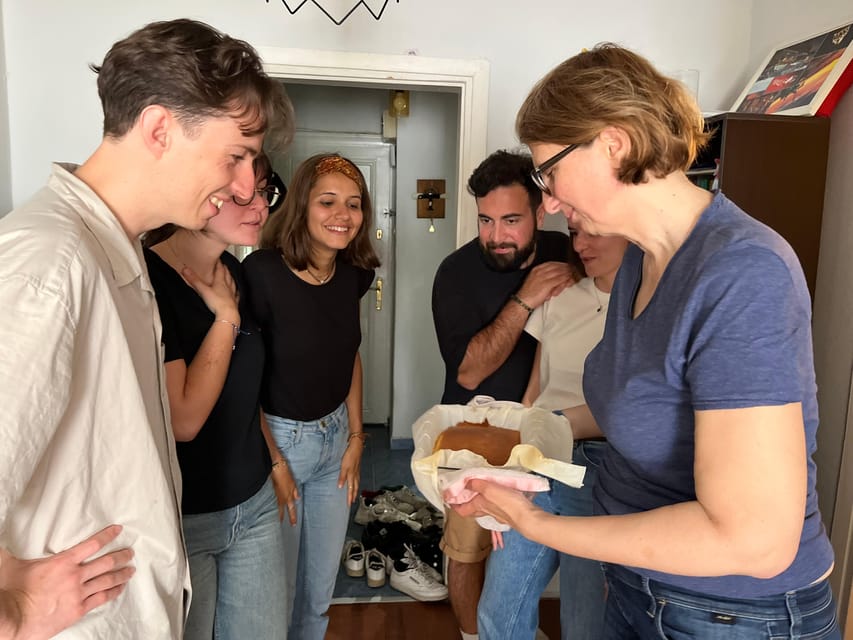
Turkish dessert is best understood at a kitchen table, not behind a glass counter. In this Istanbul home, you learn to prepare künefe, brew slow Turkish coffee, and sit down with Nuran and Feyza for the part that matters most: eating and talking together. I like the hands-on cooking and the chance to see ordinary home life beyond the tourist districts.
I also like the small size, with no more than six people, and the flexibility of the dessert menu. You might make künefe, flour halva, or semolina cookies, depending on the class. The main consideration is the location in Kağıthane rather than Istanbul’s central sightseeing areas, and künefe contains both dairy and gluten.
Key points at a glance
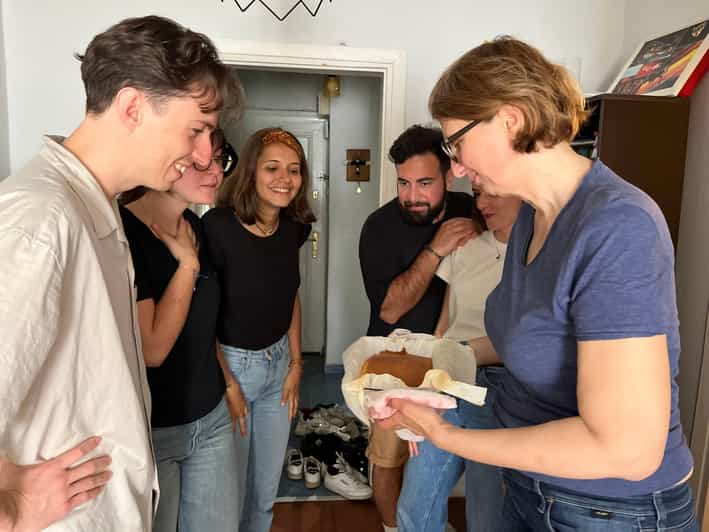
- Künefe over a flame: Layer shredded pastry, regional butter, cheese, and syrup, then learn how to cook and turn it golden.
- A real home setting: The class takes place at Nuran’s home in Kağıthane, with family warmth rather than a formal cooking-school feel.
- Small group learning: The maximum group size is six, so you have room to work with your hands and ask questions.
- Desserts may vary: Past classes have included künefe, flour halva, and semolina cookies, with two desserts often prepared.
- Coffee with cultural meaning: Brew Turkish coffee the old-fashioned way and learn why it is more than a simple drink.
- A social finish: Sit down with tea or coffee and eat what you made while talking with your hosts.
Why this Istanbul cooking class feels different
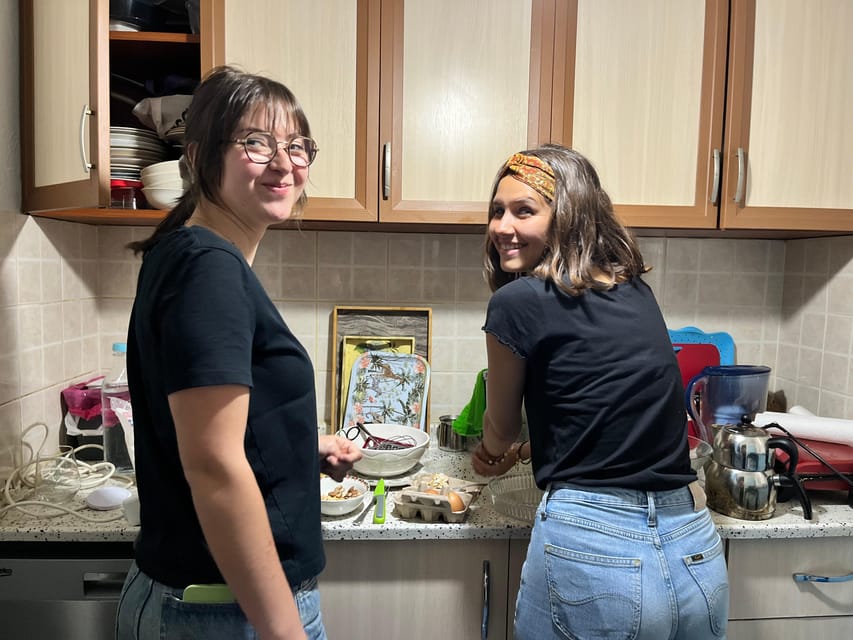
I like cooking classes that explain a place through small daily habits. This one focuses on two familiar Turkish rituals: making sweets and serving coffee. Neither activity needs a grand setting. In fact, the home environment is the point.
You enter a local apartment at Talatpaşa, in Kağıthane, and meet Nuran, the host. Dessert instruction is led by Feyza, Nuran’s sister-in-law. That family connection matters because the class feels less like a staged demonstration and more like being welcomed into someone’s afternoon.
The group limit of six keeps the lesson personal. You are not watching a chef work from the back of a crowded room. You can handle ingredients, follow the cooking steps, and ask for help as you go. One class even had a single participant, which shows how small the setting can be when bookings are light.
I would choose this experience if you want contact with local life and food in the same package. It is not the right pick if you want a polished restaurant kitchen, a full meal, or a long tour of Istanbul’s major sights.
More Turkish Coffee Experiences in Istanbul:
- Istanbul: Turkish Coffee Making and Fortune Telling Workshop
★ 4.9 · 1,308 reviews - Istanbul: Turkish Coffee Making and Fortune Telling Workshop
★ 4.9 · 451 reviews - Turkish Coffee on Sand Workshop: Fortune Telling & Gift Set
★ 5.0 · 309 reviews
Making künefe, the crisp cheese dessert
Künefe is the headline dish here, and it gives you more to do than simply mixing ingredients. The dessert uses shredded wheat pastry, butter, cheese, and homemade syrup. You learn how these parts are layered before the pan goes over a flame.
The cooking method is part of the lesson. You watch the pastry change color, manage the heat, and learn how to flip the künefe so it cooks evenly and turns golden. That flipping step is a useful reason to take the class rather than just order the dessert in a café. You begin to understand the texture and timing behind the crisp top and warm cheese center.
The finished syrup is added to the hot dessert, creating the sweet, buttery result associated with künefe. I would expect this to be the most active part of the class, though the exact amount of work you do can depend on the group and the pace of the session.
Künefe is not a light snack. It is a warm, filling dessert with dairy, butter, pastry, and syrup. If you have food allergies, tell the host in advance. The experience specifically identifies dairy and gluten as ingredients in künefe, so this is important rather than a minor footnote.
Other Turkish desserts you may prepare
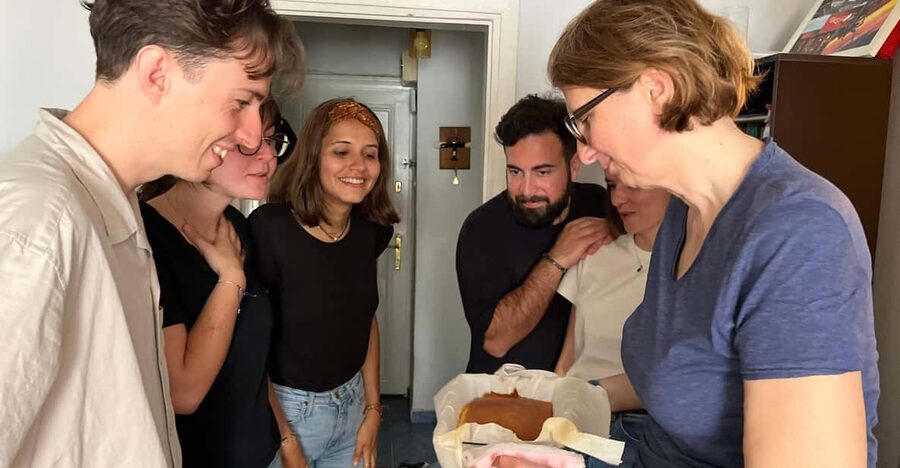
The class is not limited to one fixed recipe. The included cooking time covers two or three Turkish desserts, and the sweets can vary. In addition to künefe, the class has included flour halva and semolina cookies.
Flour halva is a good example of why the class can feel practical. It uses familiar pantry ingredients and does not depend on a complicated professional kitchen. One participant described the mixing as hands-on in the most literal way, using fingers instead of relying only on a machine. That kind of work gives you a better sense of texture than watching someone stir from a distance.
Semolina cookies offer a different lesson, with a baked result rather than a syrup-soaked cheese dessert. Both recipes are the sort of dishes you may be able to recreate at home, since the ingredients are not presented as rare or impossible to find outside Türkiye.
You should not book this expecting a guaranteed list of three named desserts. Künefe is central to the description, but the broader class may include different sweets. If one particular recipe matters to you, ask the host before booking.
Brewing Turkish coffee while dessert cooks
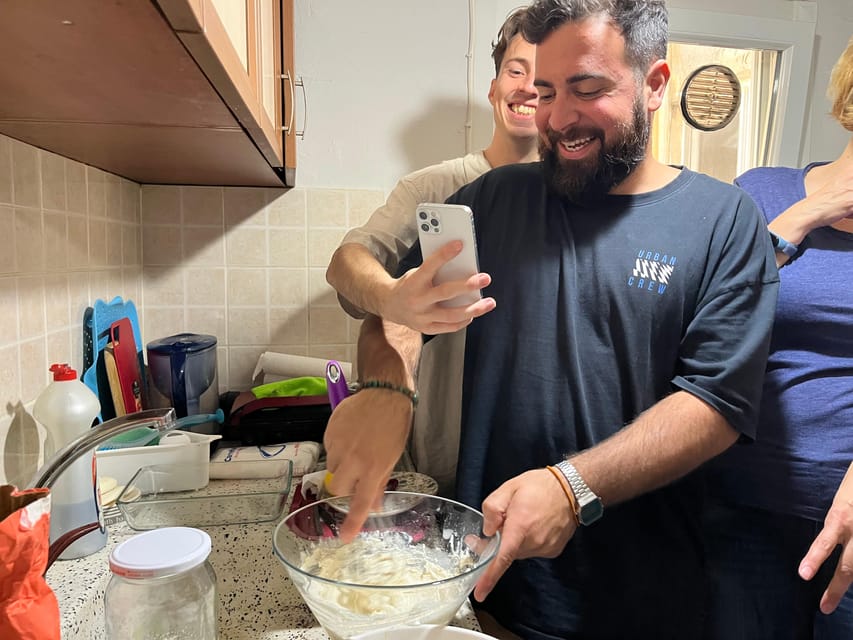
While the künefe cooks, you move to the stove for Turkish coffee. The method is slow and frothy, usually prepared in a small pot rather than a modern coffee machine. You may have the chance to make a cup yourself.
The coffee lesson adds cultural context to the cooking. In Türkiye, coffee is tied to welcome, conversation, and hospitality. Here, you do not simply receive a cup with dessert. You hear about its place in Turkish life and take part in the preparation.
Tea is also part of the experience. Depending on the timing, you can drink tea or coffee with the finished sweets. That gives you a useful comparison: Turkish coffee is intense and thick, while tea offers a lighter drink for lingering at the table.
One especially personal touch has appeared during the coffee service: an informal reading of the coffee grounds. This is not a formal promised part of the activity, so you should treat it as a possible bit of fun, not something guaranteed. It shows how the coffee ritual can lead naturally into conversation and family customs.
More Cooking Classes in Istanbul:
- Istanbul Turkish Coffee Cooking and Tasting with Locals at Home
★ 5.0 · 3 reviews - Da Nang Cooking Class with Coffee Tasting and Market Visit
★ 5.0 · 310 reviews - Hanoi Cooking Class: Pho/Bun Cha/Banh Xeo…+Free Egg/Salt Coffee
★ 5.0 · 267 reviews - Vietnamese Bread & Brew: Banh Mi Baking Class & Specialty Coffee
★ 5.0 · 76 reviews
The home table is the main attraction
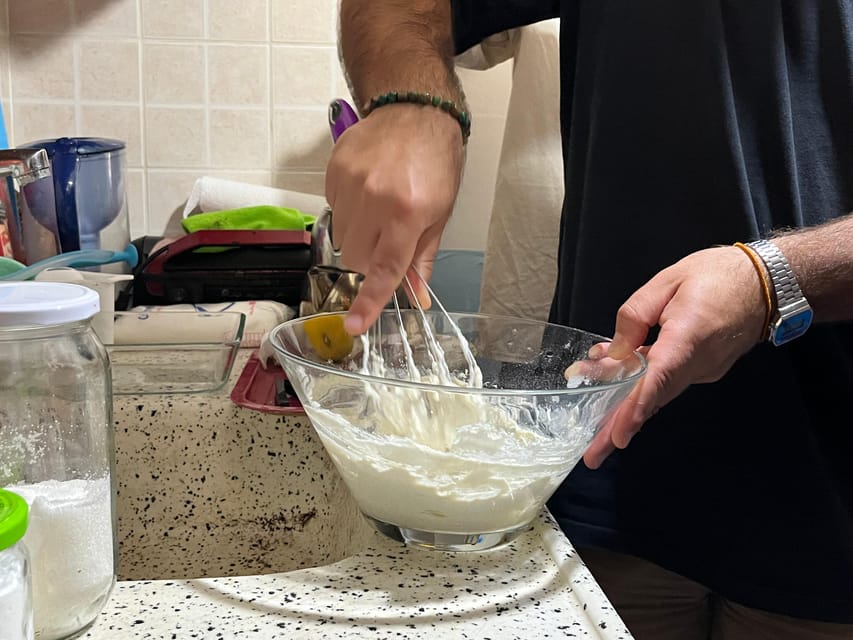
The most valuable part of this class may come after the cooking. You sit down with Nuran and Feyza, eat the desserts while they are warm, and talk over tea or coffee.
I would not expect a scripted performance. The setting is a family home, and relatives may be around. In one class, Nuran’s cousin and nephew happened to stop by and joined the dessert table. That sort of moment cannot be planned, but it explains the appeal of the experience. You get a glimpse of social life rather than a polished presentation made only for visitors.
This setting also means you should bring a flexible attitude. A home class can feel more personal than a commercial kitchen, but it may be less standardized. The exact recipes, family interactions, and pace can change from one session to another.
The warm welcome is a repeated strength of the experience. Nuran is the host, while Feyza teaches the dessert cooking, and both roles help make the visit feel connected to a real household. If you enjoy meeting people as much as tasting food, this matters more than a large menu.
What the 2.5-hour schedule gives you
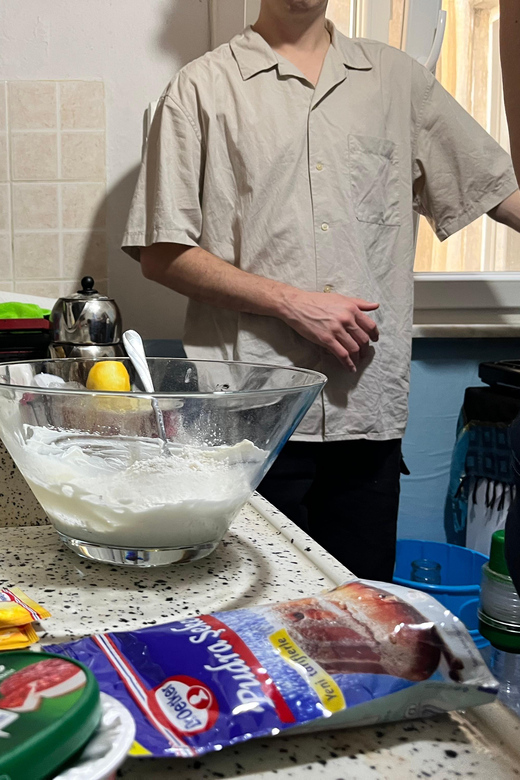
The class lasts about two and a half hours. That is enough time for a relaxed cooking lesson, coffee preparation, and a sit-down tasting without turning the visit into an all-day commitment.
The session generally follows this rhythm:
- You arrive at the Kağıthane address and are let into the home by the host.
- You discuss the dessert plan and begin preparing the ingredients.
- You layer and cook künefe, or prepare other Turkish sweets included in the session.
- While the dessert cooks, you brew Turkish coffee and learn about the ritual.
- You sit down with tea or coffee and eat the finished desserts.
The order can change, especially if a recipe needs more cooking time. I like the balance here because you are not rushed from one task to another. You have a practical activity, a cultural explanation, and time for conversation.
Still, this is a focused food experience, not a broad introduction to Istanbul. You will not visit several neighborhoods or add major landmarks to the schedule. Plan it as a calm half-day activity, ideally when you are ready to sit, cook, and talk.
Getting to Talatpaşa in Kağıthane
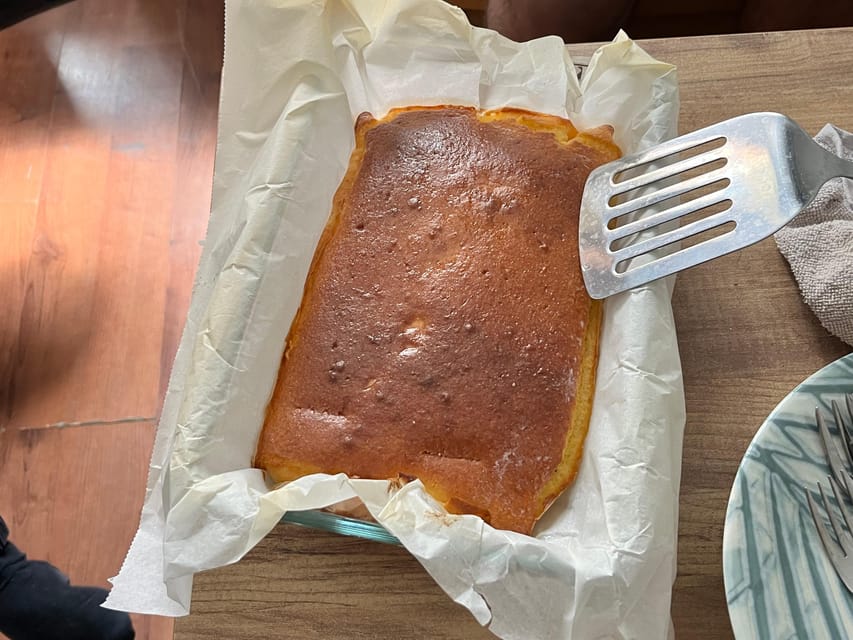
The meeting point is Talatpaşa, Büyükbey Sk. No:4 D:11, 34400 Kağıthane, Istanbul. Once you reach the address, the host lets you in.
Kağıthane is not the same as meeting beside Hagia Sophia, the Grand Bazaar, or the Bosphorus. You need to allow time to reach the address, and you should check the route before setting off. The information provided does not specify a pickup service or detailed transport instructions, so do not assume either is included.
That less central location is the main practical drawback. It can add travel time to a sightseeing day, especially if you are staying in the historic center. On the other hand, the home setting away from the main tourist zones is exactly what gives the class its local character.
I would schedule this when you are not trying to squeeze in a museum or airport transfer afterward. A relaxed margin helps you arrive ready for the class instead of watching the clock.
Is $59 a fair price?
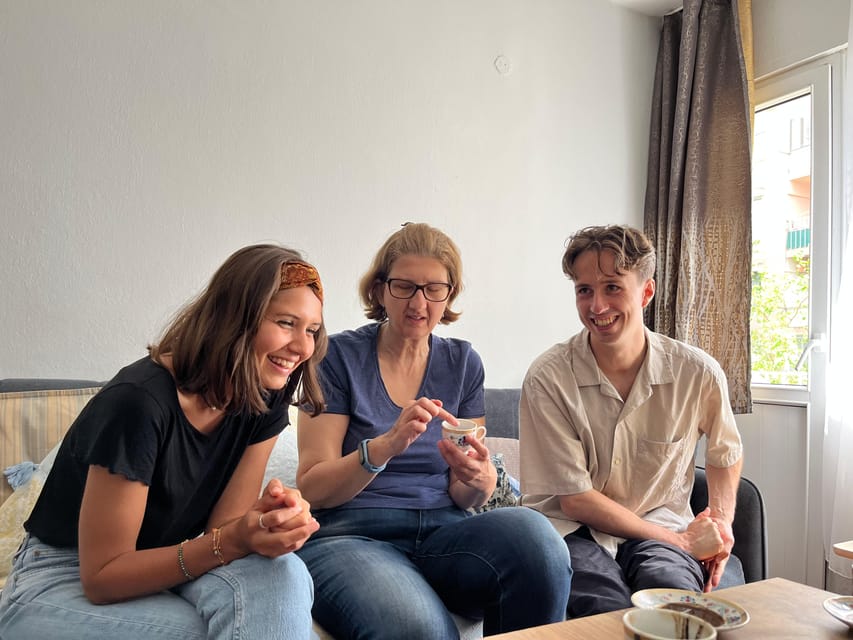
At $59 per person, this class is priced above a simple dessert stop but includes more than food. You are paying for two and a half hours of instruction, ingredients, tea or coffee, two or three desserts, and time in a private home with a small group.
The value depends on what you want from a food activity. If your main goal is to taste künefe, you can likely do that more cheaply at a dessert shop. If you want to learn how the pastry is layered and flipped, make other Turkish sweets, and understand coffee customs, the price makes more sense.
The six-person limit is important. A smaller class gives you a better chance to work directly with the ingredients and speak with the host. You are not paying for a large commercial production with a quick tasting at the end.
The strongest value comes from the personal setting. You leave with recipes and techniques you may be able to use at home, plus a clearer idea of how dessert and coffee fit into Turkish hospitality. For a food-focused visitor, that is more useful than another short tasting counter.
Who should book this experience?
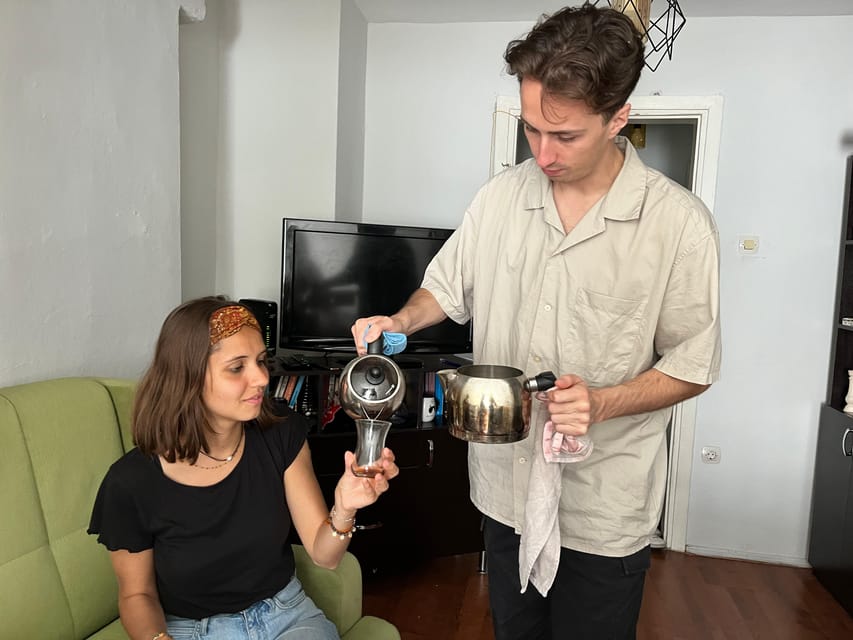
I would recommend it to you if you enjoy:
- Home cooking and family-style hospitality
- Small groups rather than large organized tours
- Hands-on recipes you may recreate at home
- Turkish coffee, tea, and dessert traditions
- Meeting local people in a relaxed setting
- A slower activity with conversation built in
Families, couples, solo visitors, and small groups can all fit the format, since the maximum is six people. A solo booking may be particularly rewarding when the class is quiet, because you can receive close attention and have more time to talk with Nuran and Feyza.
You should think twice if you have a dairy or gluten allergy, unless the host confirms a safe alternative in advance. Künefe contains both. Also consider your schedule carefully if Kağıthane is far from your hotel or your next appointment.
Booking details worth knowing
The experience is offered in Turkish and English. You can reserve now and pay later, which helps if your Istanbul plans are still shifting. Cancellation is free up to 24 hours before the start time for a full refund.
Starting times depend on availability, so check the date and time before you commit. The provider is Lokal Bond, and the class is limited to six participants.
The advertised rating is 4.6 from eight verified bookings, with especially strong praise for the hosts, the home atmosphere, the taste of the desserts, and the chance to learn recipes that can be made in the United States or elsewhere. That pattern gives you a clear sense of where the experience succeeds: personal contact and food, not sightseeing variety.
Should you book the Turkish dessert class?
Book it if you want a personal food experience and are happy to travel to Kağıthane for a home visit. The combination of künefe, Turkish coffee, family conversation, and a small group gives you a side of Istanbul that a restaurant meal cannot provide.
I would skip it if you only want a quick dessert tasting, need a central meeting point, or cannot eat dairy and gluten without a confirmed alternative. For everyone else, the $59 cost is reasonable for a hands-on lesson, several sweets, drinks, and a genuine afternoon around a Turkish family table.
FAQ
Where does the Turkish dessert cooking class take place?
The class takes place at Talatpaşa, Büyükbey Sk. No:4 D:11, 34400 Kağıthane, Istanbul. Once you arrive at the address, the host lets you in.
How long does the experience last?
The experience lasts 2.5 hours. Starting times depend on availability.
How many people can join the class?
The class is limited to six participants, making it a small-group activity.
Which desserts will I make?
Künefe is the main dessert described, but the class can also include flour halva and semolina cookies. The experience includes cooking two or three Turkish desserts, and the exact selection may vary.
Is Turkish coffee included?
Yes. You prepare Turkish coffee during the class, and tea or coffee is included with the experience.
What languages are available?
Instruction is available in Turkish and English.
Does künefe contain common allergens?
Yes. Künefe contains dairy from the cheese and butter, as well as gluten from the shredded wheat pastry. Tell the host in advance about any allergies.
More cake-and-coffee stops in Istanbul
- Award Winning Farm Tour: Coffee, Chocolate and Unique Gifts
★ 5.0 · 484 reviews - Vienna Coffee, Cake & Pastries Tour with Local Stories
★ 5.0 · 470 reviews - Buggy Ride Into the jungle with cave coffee & chocolate tasting
★ 5.0 · 465 reviews - ATV Adventure w/ Chocolate, Coffee & Cave Swim in Punta Cana
★ 5.0 · 178 reviews
Freshly brewed listings in Istanbul
- Walking Tour from Taksim to Galata (inc. Turkish Coffee Tasting)★ 5.0 · 10 reviews
- Istanbul Turkish Coffee Cooking and Tasting with Locals at Home★ 5.0 · 3 reviews
- Istanbul Home Style Turkish Coffee Making and Fortune Telling★ 5.0 · 4 reviews
- Home Style Turkish Coffee Making and Fortune Telling★ 5.0 · 10 reviews
- Istanbul: Turkish Coffee Trail★ 3.6 · 16 reviews
- Afternoon Bosphorus Boat and Bus Tour with cable car from Pierre Loti Coffee★ 3.0 · 25 reviews
- Turkish Coffee Trail★ 4.5 · 38 reviews
- Istanbul: Guided Shopping Trip with Turkish Coffee Tasting★ 4.7 · 37 reviews
Istanbul Coffee Tours, compared.
Istanbul: Turkish Coffee Making and Fortune Telling Workshop
Read our review →
Turkish Coffee on Sand Workshop: Fortune Telling & Gift Set
Read our review →
Istanbul Highlights: Guided Tour with Turkish Tea or Coffee
Read our review →
Istanbul: Sand Brewed Turkish Coffee Workshop in Old Town
Read our review →
Turkish Coffee on Sand and Fortune-Telling Workshop by Gentlemen
Read our review →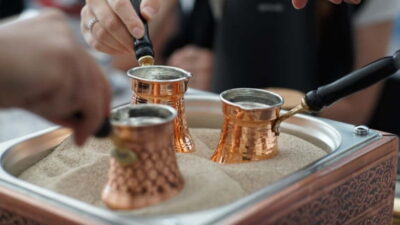
Istanbul: Turkish Coffee Brewing on Sand + Gift Set
Read our review →
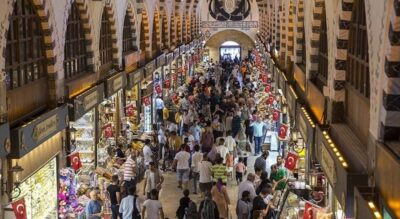
Istanbul: Guided Shopping Trip with Turkish Coffee Tasting
Read our review →Browse the lists this tour appears in