
Review · SALENTO
Coffee Tour at Finca El Ocaso Salento: Traditional Spanish Farm
Coffee at Finca El Ocaso is treated as a crop, a craft, and a daily ritual. In 90 minutes, you follow the bean from planting and harvesting to pulping, drying, roasting, and a final cup prepared the old-fashioned way. The tour is especially useful because it shows the less glamorous work behind specialty coffee, including composting, storage, and threshing.
I like two things here. First, the sustainability focus is practical rather than decorative, with a composting station and explanations of crop fertilization, local fauna, and flora. Second, the visit to the working mill gives you a clear view of the machinery and traditional methods that shape coffee quality.
The main drawback is getting there. The road into the rural farm is not fully paved, and transportation is not included. You will also need to bring insect repellent and sun protection, since neither is supplied.
Key points to know before you go
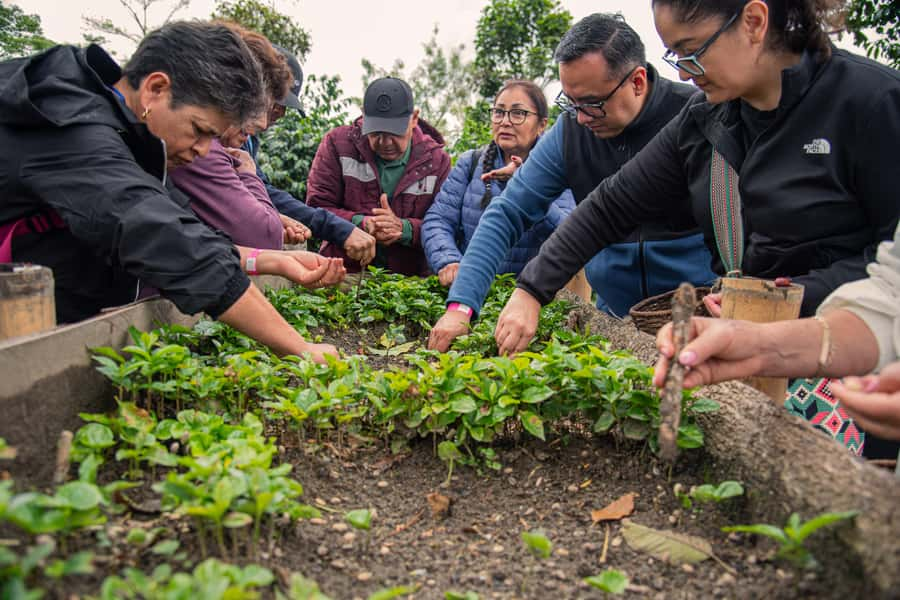
- Follow coffee from seed to cup: See planting, growth, harvesting, pulping, drying, storage, threshing, roasting, and brewing.
- See sustainability in practice: Visit the composting station and learn how fertilization supports the crop.
- Study the working mill: The route includes the hopper, pulper, mechanical dryer, and traditional drying areas.
- Finish with a traditional brew: Coffee is prepared in a cloth strainer and pot, followed by a tasting.
- Plan the rough rural road: Willys Jeeps leave Salento every hour from 8:30 a.m. to 4:30 p.m., but the fare is separate.
- Expect Spanish: The live guide speaks Spanish, and some material is presented in its original language.
Why this coffee tour feels different
Many coffee visits focus on the final cup. Finca El Ocaso gives you the full chain, including the stages that are easy to ignore once a roasted bean reaches a café counter.
You begin with the plant itself. The guide explains the history of coffee, the main species grown, and how coffee trees are planted and cared for. That basic grounding matters because it helps you understand why coffee production is not a quick seasonal task. The quality of the finished drink begins long before roasting.
The tour also moves through the farm gardens and coffee plantations. You learn about sowing, growth, and harvesting while seeing the setting where those steps take place. The supplied information does not promise that you will pick coffee during every visit, so think of this as an explanation and farm walk rather than a guaranteed hands-on harvest.
I like that the route connects farming with the wider natural setting. The guide discusses sustainability, fauna, and flora, giving the coffee crop a place within the farm’s living environment. This is a useful part of the visit if you want to understand why soil care and responsible production matter to specialty coffee.
More Coffee Farm Tours in Colombia
- Medellín Coffee Farm Tour with Trolley and Cable Car Ride
★ 4.9 · 277 reviews - Coffee Tour at the Finca del Café
★ 5.0 · 213 reviews - Salento: Private Cocora Valley, Salento & Coffee Farm Tour
★ 4.9 · 202 reviews
From compost to coffee trees
The composting station is one of the most useful stops for anyone who wants more than a scenic plantation walk. Here you learn how organic material can support the soil and how crop fertilization fits into the growing process.
That detail gives the tour some welcome substance. Sustainable production can be a vague label, but a composting station gives you something concrete to look at. You can ask how the farm handles fertilization and how those choices affect plant health and coffee quality.
The tour is connected to certified sustainable production, though the supplied information does not name the certification. I would treat that as a reason to ask the guide for the exact certification details if they matter to your purchasing choices.
The farm’s gardens and plantations also help you see the difference between a coffee-growing property and a coffee-themed attraction. The focus is on cultivation, not just photographs. If your interest is limited to drinking coffee, the farm walk may feel more technical than necessary. If you want to understand production, it is a strong use of the short tour.
The mill explains what happens after harvest
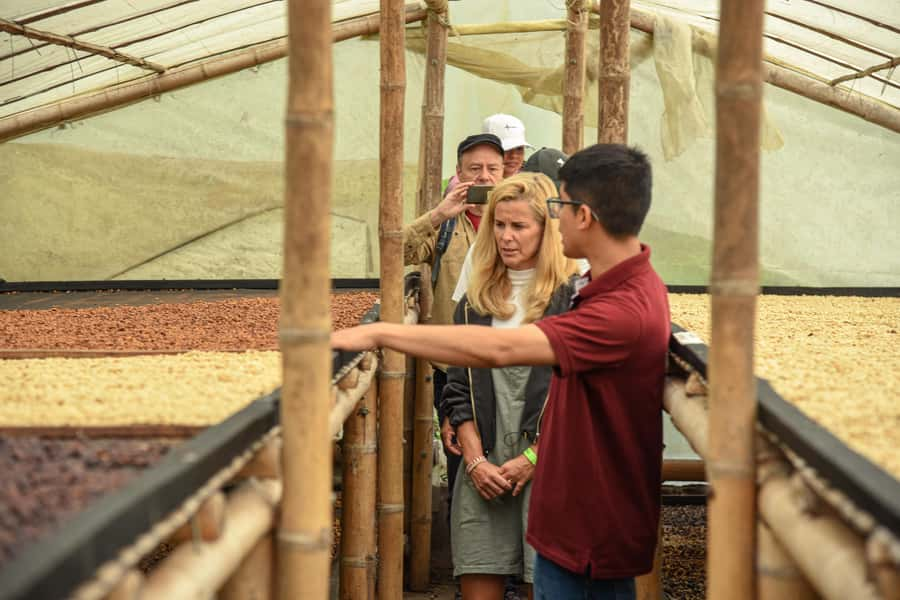
The mill is the technical heart of the visit. You see the hopper, pulper, mechanical drying equipment, and traditional drying process. These are not minor back-room details. They help explain how a harvested coffee cherry becomes a stable product ready for storage and later roasting.
The hopper is where harvested coffee enters the processing line. The pulper removes the fruit from the bean, while drying reduces moisture so the coffee can be stored properly. Seeing these stages together makes the process easier to follow than hearing a list of terms in a café or classroom.
The comparison between mechanical and traditional drying is especially useful. Mechanical drying can provide controlled processing, while traditional drying shows an older, slower method. The tour explains both, allowing you to see that coffee quality depends on handling at every stage, not just the roast.
You also learn about storage, threshing, and commercialization. Threshing removes the remaining outer layers from the dried coffee, and storage protects the beans before sale or roasting. Commercialization brings the farm into the wider coffee trade, where the crop becomes a product sold beyond the property.
This part may appeal most to serious coffee drinkers. It is also where the 90-minute schedule feels fairly full. You will not get an endless equipment demonstration, but the route covers a lot of ground in a short time.
Roasting is where the character changes
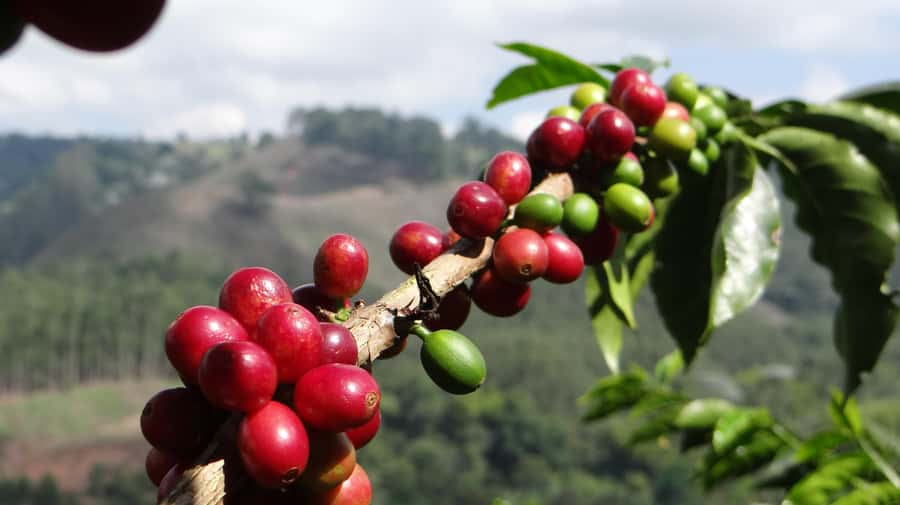
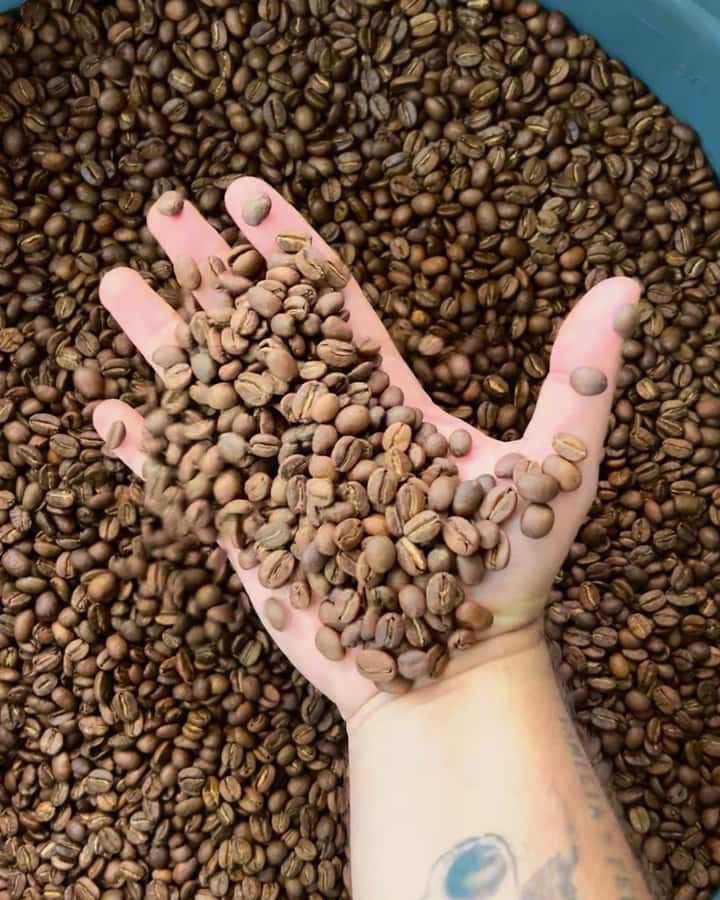
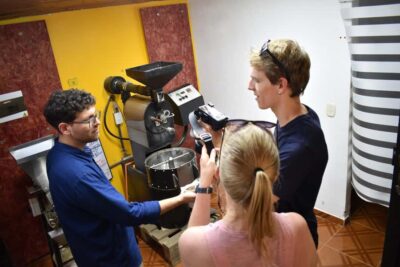
The guide explains different types of roasting and why roast level affects coffee quality. This is an important bridge between production and taste.
Roasting changes the smell, flavor, body, and balance of the coffee. A lighter roast can preserve more of the bean’s original character, while a darker roast brings stronger roasted notes. The tour’s purpose is not to turn you into a professional roaster in one afternoon, but it gives you a better way to think about the coffee you buy and drink.
This stop also helps correct a common assumption: a darker roast is not automatically a better roast. The right level depends on the bean and the qualities the producer wants to show. You can use this information later when comparing coffees at cafés or shops.
The tour does not list a separate roasting workshop, so expect an explanation of roast types and their importance rather than a guaranteed chance to roast your own beans. That distinction is worth noting if you are looking for a hands-on class.
Same town, another way to drink it:
- Medellin: Coffee Tour with Transport, Snacks and Tastings
★ 4.7 · 1,357 reviews - Medellin: Coffee Tour and Wellness Spa
★ 4.8 · 209 reviews - Medellin: Coffee Tour with Hotel Transfers and Meals
★ 4.9 · 186 reviews - From Bogotá: Coffee Farm and Tequendama Falls Tour
★ 4.5 · 130 reviews
The final cup uses a simple Colombian method
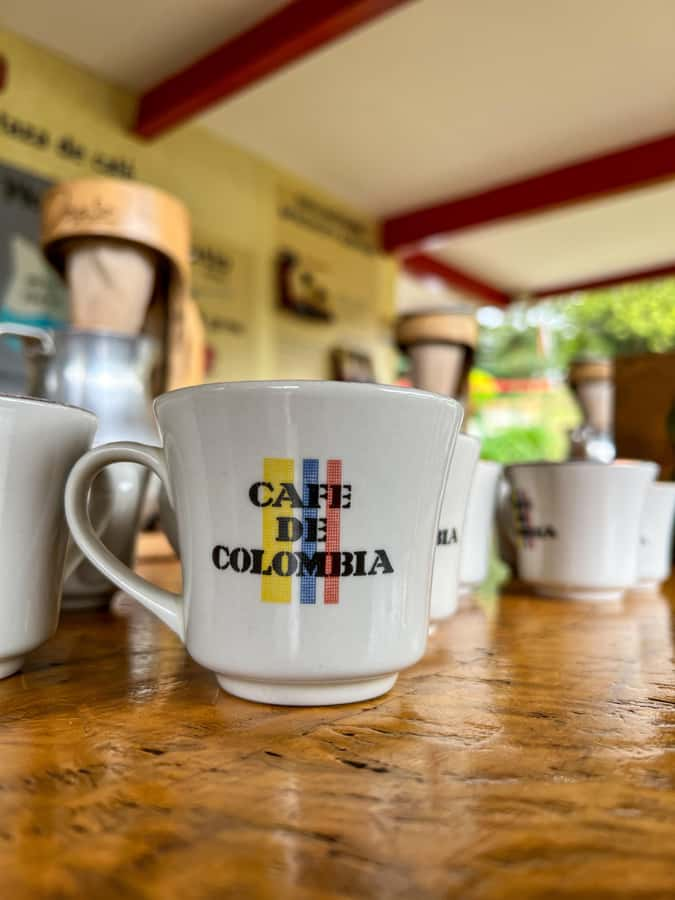
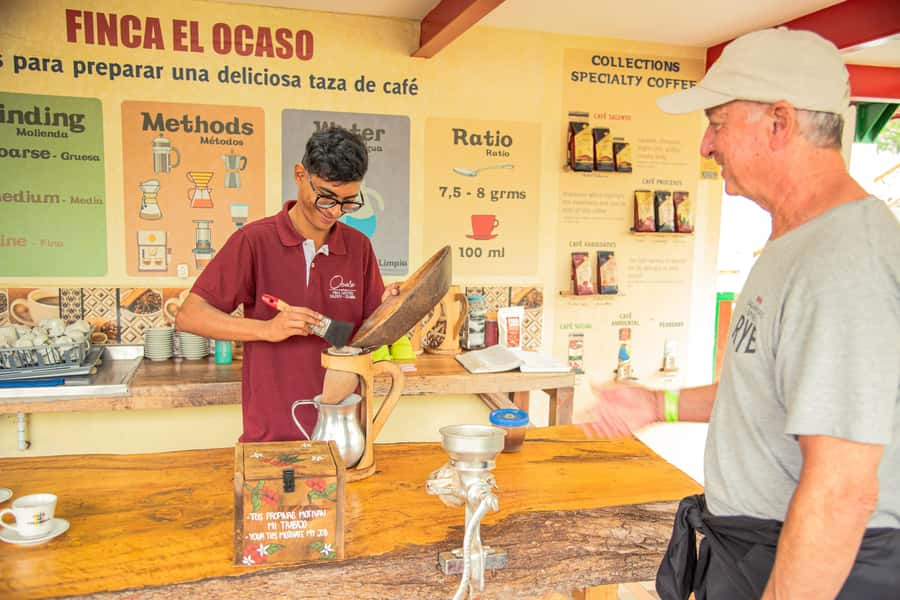
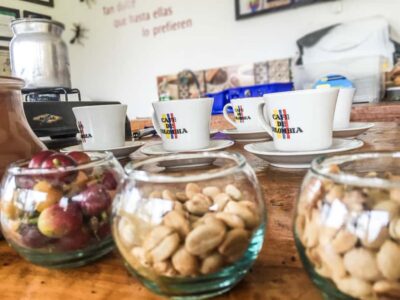
The experience ends with traditional coffee preparation in a cloth strainer and pot, followed by a tasting. It is a fitting finish because the method is direct and familiar rather than built around expensive café equipment.
The cloth strainer, often associated with traditional home preparation, lets the coffee pass through while holding back the grounds. The pot keeps the method simple and places attention on the drink itself. After seeing the work required to produce and process the bean, you get to taste the result.
I like this ending because it links the farm’s past and present. The tour discusses specialty coffee and modern machinery, then finishes with a basic preparation method that many families have used for years.
The tasting is included in the $19 price. That makes the visit more than an information session, though you should not expect a full meal or a large coffee flight. Food is not included, and the experience is built around one final coffee preparation.
What the Spanish-language guide adds
The live tour is in Spanish. That is important to know before booking. If you understand Spanish, you can ask questions about the farm’s methods, the coffee species, and the difference between processing stages.
The guide Nicolás led one particularly well-liked visit, and the experience was described as entertaining, friendly, and easy to follow. That gives you a useful sense of the tone to expect: the tour aims to be relaxed as well as instructional.
If you do not speak Spanish, some content is available in its original language, but the activity is not advertised as an English-language tour. I would choose it mainly if you are comfortable following Spanish explanations or are happy with a less detailed understanding of the commentary.
The guide’s role matters here because coffee processing includes plenty of unfamiliar terms. A clear explanation can make the hopper, pulper, drying, and threshing stages click into place. The 4.8 rating from 89 ratings also points to a consistently strong experience, with the guide’s friendly teaching style receiving particular emphasis.
Getting to Finca El Ocaso from Salento
You must arrive directly at the farm. There is no included transfer, so plan the road before you book.
Willys Jeeps leave Salento every hour from 8:30 a.m. to 4:30 p.m. The same type of public transportation can take you back from the farm to Salento. The transport fare is separate from the $19 tour price, and no amount is supplied, so confirm the current cost locally.
The road is not completely paved. A low car is not recommended, which is a practical warning rather than a minor footnote. If you are driving, choose a vehicle with enough clearance for a rough rural route.
Build in a little flexibility around the departure and return. The tour itself lasts 90 minutes, but your total outing also depends on the Jeep timetable and road conditions. You do not want to finish the visit and then discover that your return ride is not immediate.
Rain does not cancel the activity. You can buy a rain poncho at the farm, but bringing one may save time and money. The same applies to insect repellent, which is available in the farm store but is not included.
What to bring and what to leave behind
Wear comfortable clothing suitable for walking around gardens and coffee plots. Good walking shoes are sensible, especially because the access road and rural setting can be uneven or wet.
Pack insect repellent. Mosquitoes are a stated concern, and repellent is not part of the ticket. Sun block is also not included, so bring your own rather than relying on the farm store.
A short list will make the visit easier:
- Comfortable clothes and walking shoes
- Insect repellent
- Sun block
- Rain protection, especially during wet weather
- Cash or another way to pay for transportation and optional farm-store purchases
Alcohol and drugs are not allowed. Food is not included, so eat beforehand or make separate plans for a meal.
Is $19 a fair price?
At $19 per person, the tour offers good value if you want a full explanation of coffee production rather than a quick plantation photo stop.
The price includes the farm walk, sustainability discussion, mill visit, processing explanation, roasting lesson, traditional preparation, and tasting. It does not include transportation or food, so the real cost of the outing will be higher once you add the Willys Jeep fare and anything you buy on the farm.
Still, the included content is broad for a 90-minute visit. You are not paying only for a drink. You are paying for access to a working coffee operation and a guided explanation of how the crop is grown, processed, prepared, and sold.
The value is strongest for coffee lovers, people curious about sustainable agriculture, and anyone planning to visit several coffee farms in the Salento area. It may be less worthwhile if you only want a relaxed coffee break, dislike technical explanations, or need an English-language guide.
The free cancellation option allows you to cancel up to 24 hours ahead for a full refund. You can also reserve now and pay later, which helps if your Salento plans are still shifting.
Who should book this farm visit?
I would recommend it to you if you want to understand the complete coffee chain. The route is particularly well suited to people who ask where their coffee comes from and what happens between the cherry and the cup.
It also works for visitors who want a shorter activity. At 90 minutes, it fits neatly into a day in rural Salento without taking over the entire schedule.
Families and casual sightseers may enjoy the gardens and tasting, but the value depends on interest in farming and machinery. Children who need constant action may find the explanations slow, especially during storage, threshing, and roasting sections.
Spanish speakers will get the most from the live guide. If you do not speak Spanish, check your comfort level with original-language explanations before booking.
Should you book the Finca El Ocaso coffee tour?
Book it if you want a practical, farm-based explanation of coffee, including the work that usually stays out of sight. The composting station, working mill, comparison of drying methods, roasting lesson, and traditional final brew give the visit a clear purpose.
Skip it if transportation on a rough road is inconvenient, if you need an English tour, or if you are looking mainly for a meal or a long tasting session. The $19 price is fair, but the separate transport and lack of included food should be part of your plan.
For the right visitor, Finca El Ocaso offers a compact and useful look at coffee from planting to pot, with sustainability and traditional preparation given equal attention.
FAQ
How long does the coffee tour last?
The tour lasts 90 minutes.
What language is the tour in?
The live guide speaks Spanish. Some content is shown in its original language.
Is transportation to Finca El Ocaso included?
No. You must arrive directly at the farm, and transportation is not included in the ticket.
How can I reach the farm from Salento?
Willys Jeeps leave Salento every hour from 8:30 a.m. to 4:30 p.m. You can also return to Salento by Willys from the farm. The transportation fare is separate.
What happens if it rains?
The activity is not cancelled because of rain. Rain ponchos can be purchased at the farm.
Is food included?
No. Food is not included in the tour price.
What should I bring?
Bring comfortable clothes, insect repellent, and sun block. Insect repellent is also available for purchase at the farm.
Freshly brewed listings in Colombia
- Salento: Coffee Master Roasting, Brewing and Tasting Tour★ 4.8 · 6 reviews
- Private Tour to Coffee Farm (farm of your choice)★ 5.0 · 2 reviews
- Medellin: Coffee Farm Tour & Spa with Overnight Glamping★ 4.5 · 3 reviews
- Minca: Hidden Waterfall + Coffee and Cocoa Workshop★ 4.9 · 6 reviews
- Most complete COFFEE TOUR at local family farm★ 5.0 · 2 reviews
- Medellin: The Best Coffee Tasting Experience★ 5.0 · 5 reviews
- Medellin: Avoeden Café Coffee Brewing Workshop★ 5.0 · 12 reviews
- Medellin: Coffee and fruit tour★ 4.9 · 12 reviews
Salento Coffee Tours, compared.
Salento: Private Cocora Valley, Salento & Coffee Farm Tour
Read our review →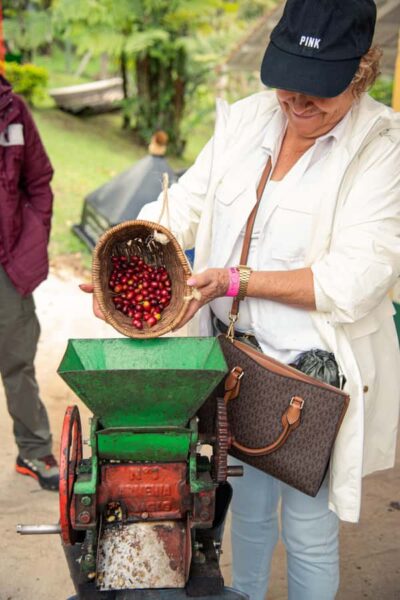
Salento and Cócora Tour + Coffee Farm from Pereira/Armenia
Read our review →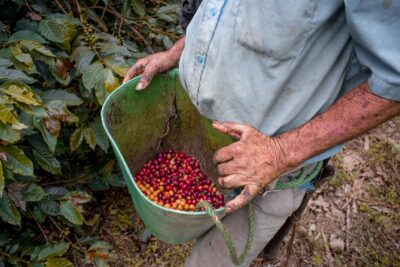
Salento: Coffee Master Roasting, Brewing and Tasting Tour
Read our review →Browse the lists this tour appears in